
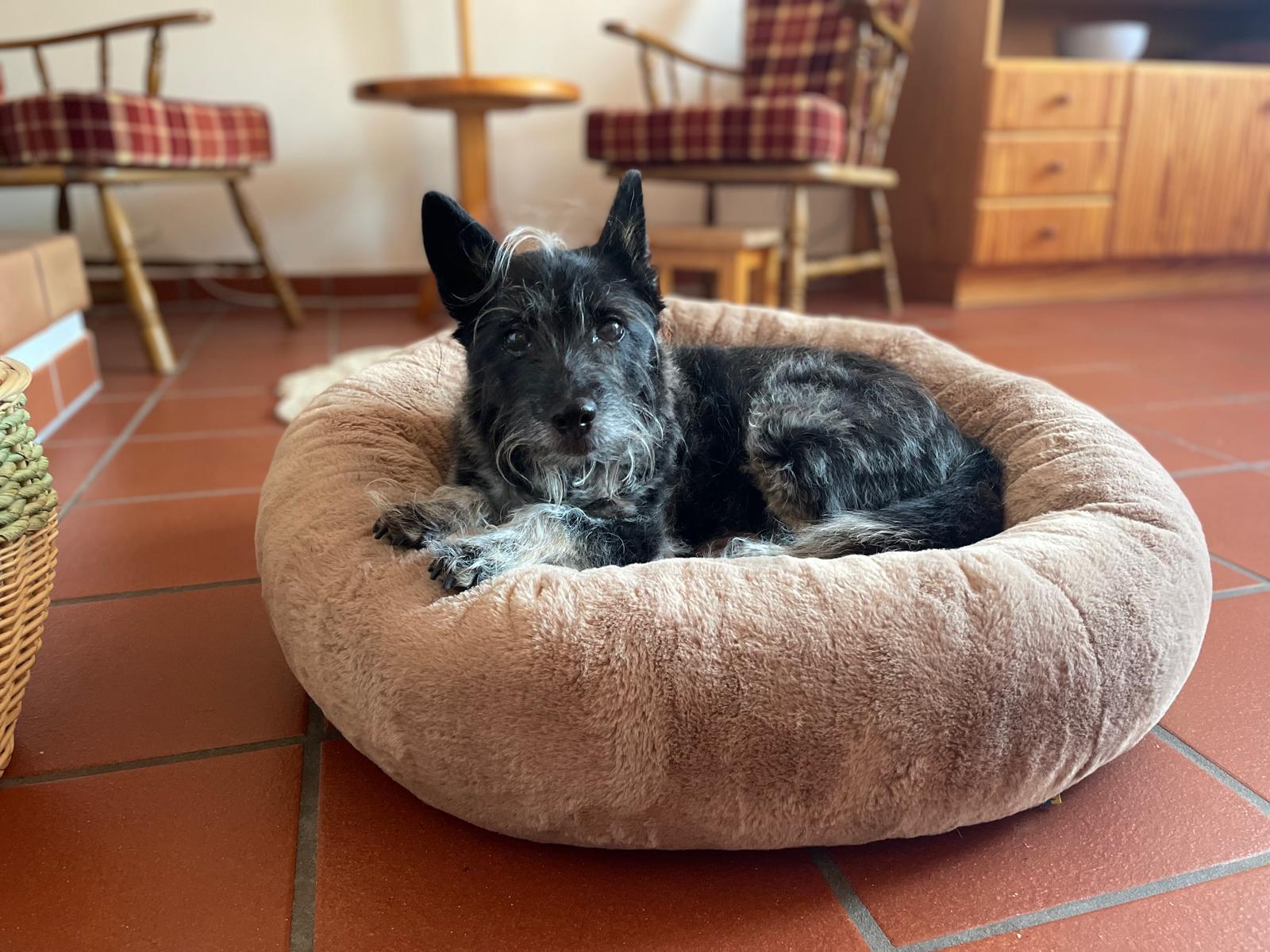
Humans can usually distinguish between thunder and fireworks, and most of us understand that neither are anything to be worried about. But for a noise-sensitive dog, these sounds can be frightening and overwhelming.
The sudden, unpredictable nature of bangs and thunder can make it difficult for dogs to understand where the noise is coming from or whether they are safe. When exposed to these noises, some dogs may hide or seek reassurance; others might pant, pace, tremble, bark or desperately try to escape.
If you're wondering how to calm a dog during fireworks or how to calm a dog during thunder, the first thing to understand is that your dog isn't misbehaving if they have an extreme reaction to loud noises. Fear is an emotional response and helping them means reducing their exposure to whatever is frightening them and giving them greater security and choice.
With this in mind, here are five practical ways to help your pet.
What's in this guide
Reduce the noise as much as possible
You can't stop a thunderstorm or neighbourhood fireworks, but you can reduce how much of the noise reaches your dog.
Before the noise begins, close windows and external doors and move your dog away from the noisiest parts of the house. Curtains or blinds can also help reduce unsettling flashes from fireworks and lightning.
Playing a consistent sound can make outside noises a little more bearable. Try playing white or brown noise — or, if you'd rather stick to what you know, put on familiar TV programmes or music at an audible yet comfortable volume.
Veterinary guidance supports using auditory barriers and background noise as part of managing noise phobias. The British Small Animal Veterinary Association (BSAVA) also recommends environmental modifications as one of the first steps for helping animals frightened by fireworks.
Timing matters
If storms or fireworks are forecast, make these changes before your dog becomes distressed wherever possible.
Create a safe, comfortable place to retreat to
When dogs are frightened, many instinctively look for somewhere to hide. Giving your dog access to an appropriate safe haven allows them to retreat if they need to.
This space works best in a quiet room with few or no windows. Use your dog's usual bed and familiar blankets to create a cosy resting place that still gives them enough room to manoeuvre. Make sure there's fresh water nearby, so they don't need to travel far to stay hydrated.
Some dogs prefer a covered crate, space under furniture or another enclosed area. If your dog already has somewhere they naturally gravitate towards when they are worried, it will often be better to adapt this space rather than deciding where you think they should go.
Crucially, don't force them into their safe haven or pull them out once they're there. The value of the space comes partly from giving the dog control over where they feel safest.
For dogs with a known fear of noise, it's also worth establishing this area well before firework season or an approaching storm. Encourage your dog to relax there at ordinary times so that they already have positive associations when they need them the most.
Plan walks carefully — and make escape difficult
Knowing how to calm dogs during fireworks isn't only about what happens inside your home. You also need to minimise the chance of your dog being caught outside by a sudden bang.
If you know that a fireworks display will be taking place in the evening, exercise your dog while it's still light. It can be difficult to predict thunderstorms, but where possible, check the weather forecast and choose the quietest part of the day for your dog's walk.
Even if your dog is normally confident when they're off the lead, there's still a chance they will panic at a frightening noise. Make sure they are securely attached to their lead and, if you know they are likely to flee, you may want to also consider using a well-fitting harness. Dogs that are fearful should be leashed with a harness and collar or with a special security harness. Use a lead that is at least 2.5m long so the dog has some freedom of movement.
Make sure their microchip details are up to date and that they are wearing appropriate identification, too.
If the noise has already begun, don't force a frightened dog outside for their normal walk. Missing or shortening one walk is better than putting them into a situation in which they are terrified or could escape.
Stay close if your dog wants you
There's a persistent myth that comforting a frightened dog will reinforce their fear. However, fear isn't a behaviour that you can simply encourage by offering reassurance.
If your dog seeks you out when they're scared, let them stay close. Sit with them, stroke them (if they enjoy it) and allow them to choose how much interaction they want. Your presence can be an important source of security.
Equally, don't force physical contact on a dog that wants to hide or have space. Watch what your dog is telling you and respond accordingly.
Your own behaviour matters, too. Move normally and calmly around the house and use a relaxed tone of voice. Avoid repeatedly fussing over your dog, becoming visibly agitated yourself or reacting dramatically to each bang.
Slow, steady breathing can also help you remain relaxed. Try longer, gentle exhalations while sitting quietly with your dog rather than constantly checking on them.
For dogs that regularly struggle, the aim should therefore extend beyond getting through the next storm or firework display. A behavioural vet like Daniela can assess the individual dog, identify their triggers and develop a longer-term management and behaviour-modification plan.
Techniques such as carefully controlled desensitisation and counterconditioning can be helpful, but they need to take place at an intensity where the dog remains comfortable. Forcing exposure when a dog is already frightened risks making the problem worse.
Consider gentle body support — and know when to seek veterinary help
Some dogs appear to feel more secure with gentle, consistent pressure around their body. A close-fitting T-shirt may provide this sensation, while products like the Tellington TTouch Body Wrap are designed to offer gentle body awareness and support for canines.
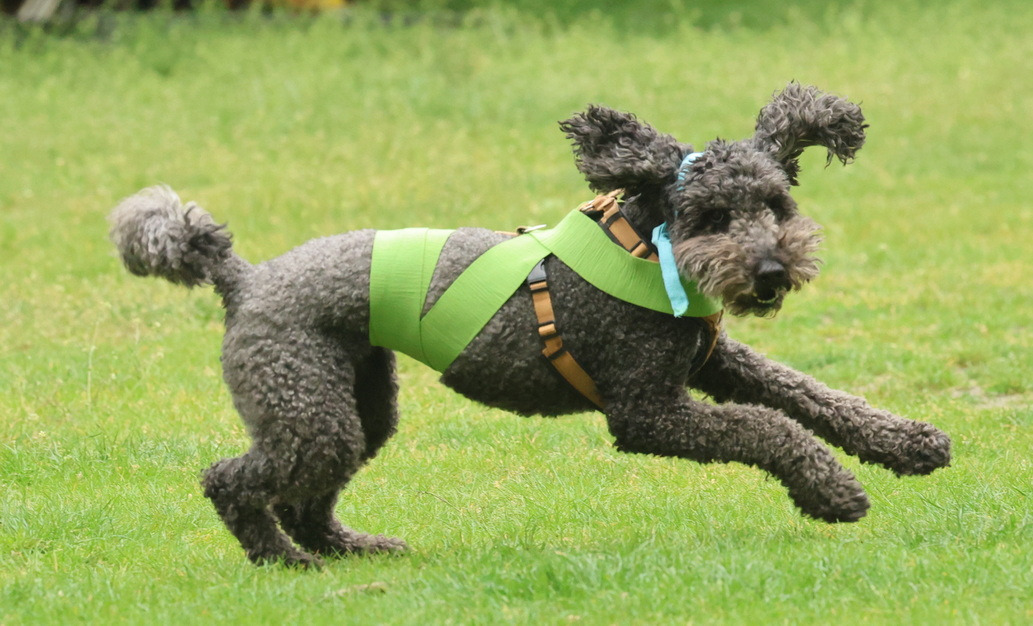
A Tellington TTouch Body Wrap in use. Gentle body awareness — never restriction: the dog should move as freely as this.
These techniques won't work for every dog, so keep a close eye on how they respond to new approaches. The clothing or wraps they're wearing should never restrict their breathing or movement — and they should always be removed immediately if your pet appears to be uncomfortable.
Most importantly, physical support shouldn't be treated as a substitute for veterinary care when a dog is experiencing significant anxiety. If your dog becomes extremely distressed during fireworks or storms, struggles to recover afterwards, attempts to escape, injures themselves or shows severe fear each time a noise event occurs, speak to your vet or a suitably qualified veterinary behaviourist.
Medication can be an important part of treatment for some dogs. Depending on the individual and the nature of their fear, a vet may recommend short-acting medication for predictable events or longer-term treatment alongside behavioural work. Don't think you have “failed” if this is the route you need to take — veterinary guidance recognises medication as a valuable option for some dogs with significant noise fears and phobias.
Never self-medicate
Never give your dog human anti-anxiety medication or another pet's medication without veterinary advice. The right treatment, dose and timing need to be determined for the individual dog.
Prevention matters
Thunderstorms can be particularly difficult because thunder may not be the only trigger. Dogs can learn to associate changes such as wind, rain and darkening skies with an approaching storm, meaning their anxiety can begin well before you hear the first clap.
Similarly, a dog that has experienced frightening fireworks may become anxious as soon as darkness falls or distant bangs begin.
This is why preparation is so important. If you know your dog is noise-sensitive, don't wait until they're already panicking to act. Prepare their safe space, plan walks around likely noise, reduce sound and stimulation early and speak to your vet in advance if events have caused significant distress in the past.
For dogs with an established noise phobia, longer-term behavioural treatment can also make future events easier to manage. This might include gradual desensitisation to carefully controlled recordings alongside counterconditioning, where low-level sounds are associated with something positive. This work should happen well away from actual storms or firework displays and never involve forcing your dog to endure sounds that frighten them.
Helping your dog feel safe, rather than simply stopping the symptoms
Ultimately, learning how to calm a dog during thunder or how to calm a dog during fireworks isn't about stopping them from hiding, pacing or seeking you out. Those behaviours are signs of how your dog feels. The real goal is to reduce that fear at its source.
For some dogs, a quieter environment, a safe place to hide and the reassuring presence of their pet parent or pet guardian will make a substantial difference. Others need more structured behavioural support and, in some cases, appropriate medication.
If your dog regularly becomes upset by loud noises, there are certainly things you can do to make them calmer and more comfortable — but in some cases, the best course of action is to seek professional advice, so you can find out what's driving their response. Talk to The Behaviour Vet today to explore tried-and-tested calming methods in more detail and learn how to understand your pet better.