
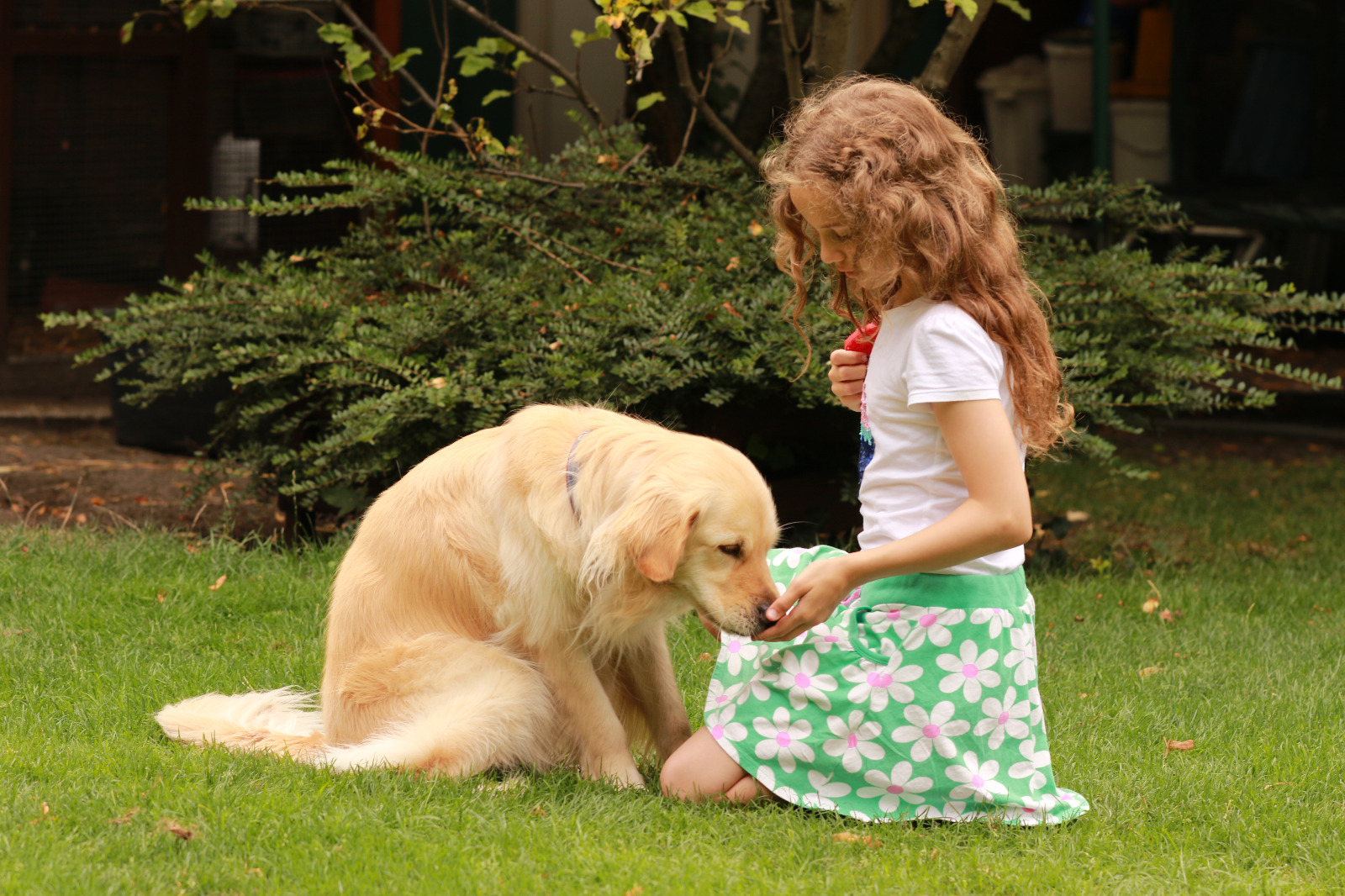
One minute you're playing happily together, and the next, your puppy is hanging from your sleeve, chewing your fingers or launching themselves enthusiastically at your ankles – and those tiny doggy teeth can be surprisingly painful if you’re caught unawares!
If you're wondering why puppies bite so much, the answer is that mouthing, chewing and nipping are normal developmental milestones. Younger dogs explore with their mouths, and when they go through their main adult teething stage at around 3 to 4 months old, this often makes them want to chew everything in sight.
If biting is causing problems, you don’t need to put up with it and wait for the phase to end. Puppies need to learn when and how using their mouths is appropriate, and good, early training here makes a difference.
What's in this guide
Why do puppies bite?
Puppy biting can have several causes. Regardless of what’s going on, though, understanding the issues that are driving the behaviour can make biting and nipping much easier to manage.
Young puppies naturally use their mouths to investigate the things that are in front of them. It’s the way they start to interact with the world. Biting is also part of play between puppies and provides important early lessons about puppy bite inhibition (their ability to control how hard they bite).
Teething is another reason why your puppy might chew constantly. Dogs lose their deciduous (or ‘baby’) teeth as their adult teeth come through, and chewing provides an outlet for the soreness and discomfort.
Biting can also become more noticeable when puppies become excited, frustrated or tired. If your puppy starts chomping on the furniture at a particular time each evening, for example, it may be worth considering whether an energetic game before bedtime is the best way to wind down, or whether they may need some quiet time before getting ready for sleep.
What is bite inhibition?
Learning bite inhibition is an important part of a puppy's development. During normal play with their mother and siblings, puppies learn cause and effect when it comes to how they use their mouths. If one puppy bites another too hard, for example, play may stop. Over time, moments like these stick in their minds, and help them learn how to moderate the force of their bite.
Once your puppy is living with you, that learning needs to continue. This can be especially important for puppies who have been separated from their mother and littermates very young, as they may have had fewer opportunities to develop these skills through interacting naturally.
The goal
The goal isn't to punish a puppy for using their mouth. Instead, we want them to learn that putting teeth on human skin makes interaction stop, while calmer behaviour means the fun continues!
How to stop a puppy biting: 5 practical steps
Briefly stop play when your puppy’s teeth touch your skin
If your puppy puts their teeth on you during play, stop what you’re doing (however much you might want to brush it off and carry on). Just use a short, calm “ouch” as the puppy’s cue to let go, and stop engaging with them until they have settled down.
The main thing here is to keep your responses consistent. If you show the same calm, measured reaction every time, your puppy will gradually learn that biting makes the fun stop.
If saying “ouch” excites your puppy further – which can happen – skip it. Simply becoming still and briefly taking your attention away from your pet may work better.
What not to do
Avoid shouting, smacking, holding your puppy's mouth closed or similarly physical interventions. Today’s veterinary behaviour guidance recommends reward-based training and advises against methods involving fear, intimidation or pain.
Give them appropriate things to chew
You can't teach a puppy not to use their teeth at all, because chewing is a natural behaviour (and it’s something they will really draw upon when they are teething).
Instead, provide a selection of safe chew toys that are appropriate for their age, and rotate them throughout the day to keep things interesting. Having toys readily available also gives you something appropriate to redirect your puppy towards when their teeth start seeking out your hands or clothing.
The texture of these toys makes a difference, too. Puppies can have individual preferences, so offering different safe textures can help you discover which items satisfy their urge to chew the most.
Reward the behaviour you do want to see
Learning how to stop a puppy biting isn't just about responding in the right way when something goes wrong. You also need to look for opportunities to reinforce calm behaviour throughout the day. If your puppy approaches you without biting, settles quietly by your side or chooses their toy rather than your hand, make it clear you’ve acknowledged this behaviour with praise, treats, or something else they value.
Learn when your puppy is most likely to nip
Make a note of when nipping tends to happen, as this often reveals a behavioural pattern.
For example, maybe your puppy becomes particularly mouthy during exciting games, or maybe they turn to biting when visitors arrive, when they’re hungry, or towards the end of the day when it’s time to get ready for bed.
Make sure your puppy gets plenty of appropriate sleep and lots of opportunities for play and exploration, and remember, these activities may naturally include chewing. If certain games consistently send them into a biting frenzy, make those sessions shorter and calmer. Sometimes your pet doesn’t need more training, they just need help transitioning from playtime to rest.
Be consistent
Everyone interacting with your puppy should be told to follow the same approach when it comes to reacting to bites and nips: teeth on skin means play stops and the attention is taken away from the dog, and calmer interactions are rewarded.
When should you ask a vet about puppy biting?
Most puppy mouthing can be managed with patient, consistent, reward-based training. It won't disappear overnight, because your puppy is learning a completely new set of rules about interacting with humans(!), but you should always ask for professional advice if:
- Biting is becoming more frequent or severe
- Your puppy regularly breaks skin
- The bites tend to happen when they're approached or handled; or
- You're seeing other concerning changes in their behaviour
A vet will be able to rule out medical problems that might be contributing to the behaviour and, where appropriate, refer you to a suitably qualified behaviour professional.
Your puppy has a lot to learn – and those sharp little teeth are part of the process!
Patient, reward-based guidance usually yields the best results when it comes to stopping a puppy biting. If you would like further guidance or are worried that your pet isn’t responding to the established preventative methods listed here, book in with The Behaviour Vet for a consultation.